SOMEWHERE WORTH GOING
Essaouira, Morocco
Atlantic light. Blue doors. Nowhere to rush.
There are places that announce themselves the moment you arrive. Essaouira isn't really one of them.
It works more slowly than that.
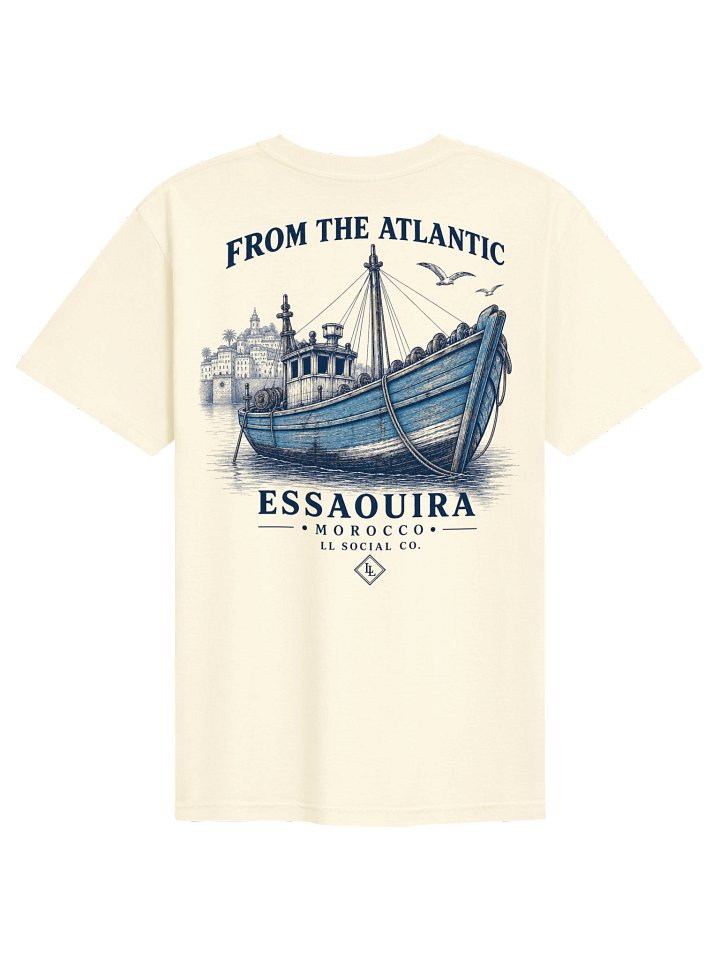
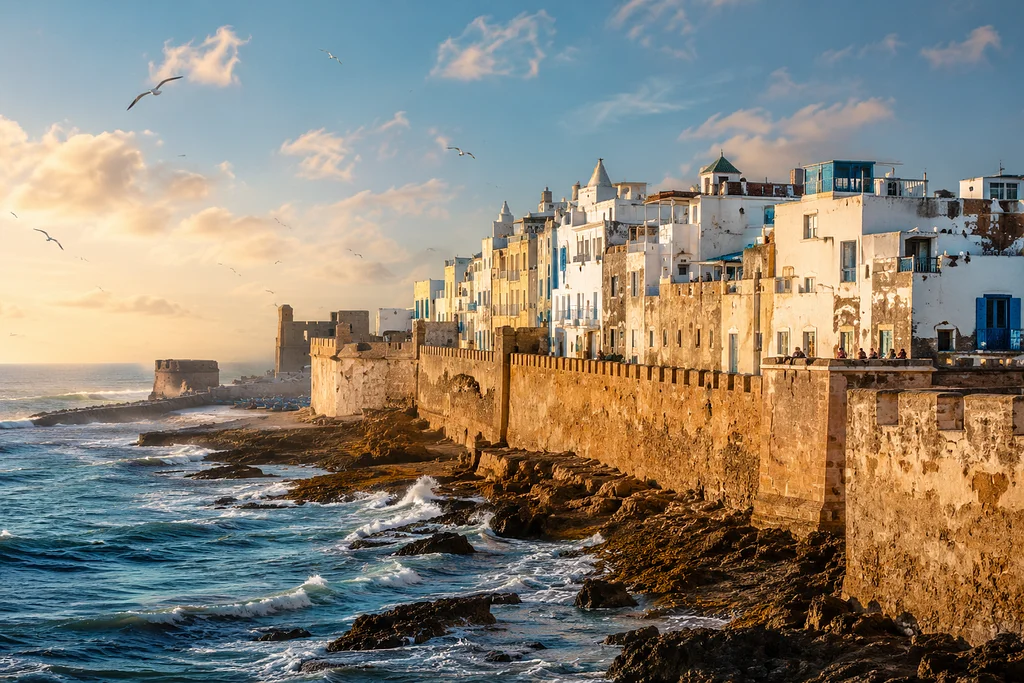
First comes the Atlantic—the wind, the salt, the gulls circling over the harbor. Then the blue fishing boats crowded together beneath the old stone ramparts. Then a doorway somewhere inside the medina: weathered blue against whitewashed walls, beautiful precisely because no one appears to have tried very hard to make it so.
Walk a little farther and the city begins to make sense.
FROM THE ATLANTIC
Walk toward the port early enough and Essaouira changes character.
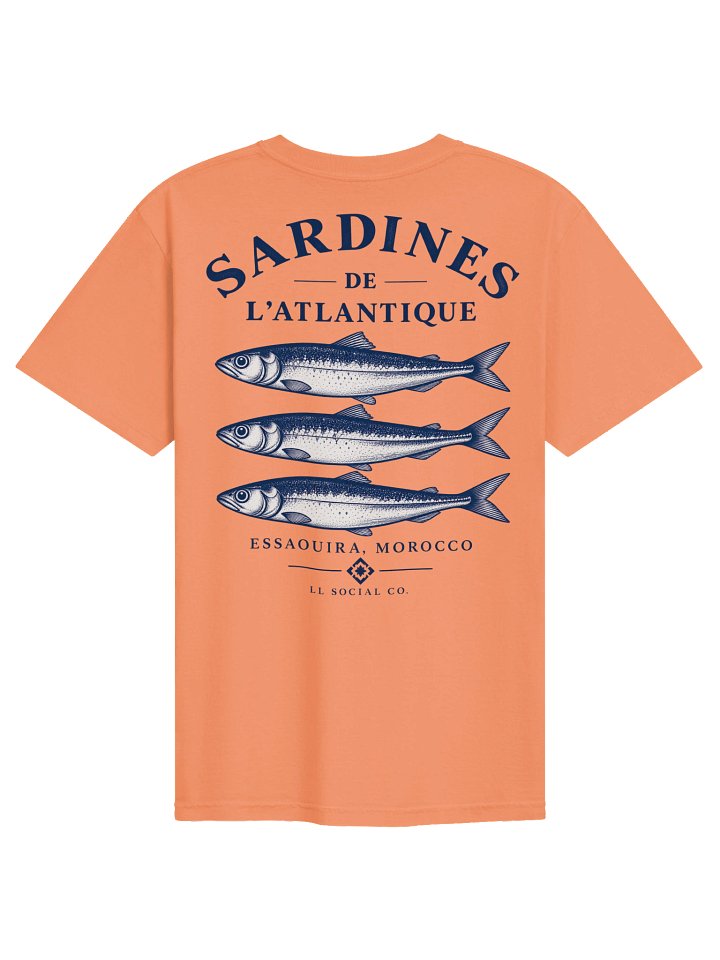
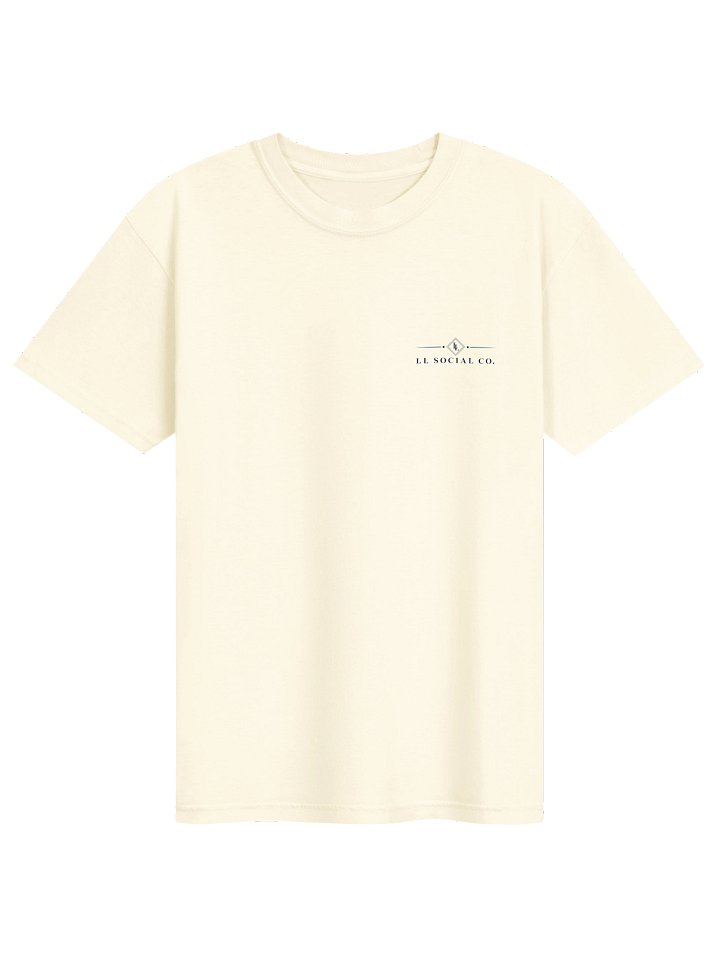
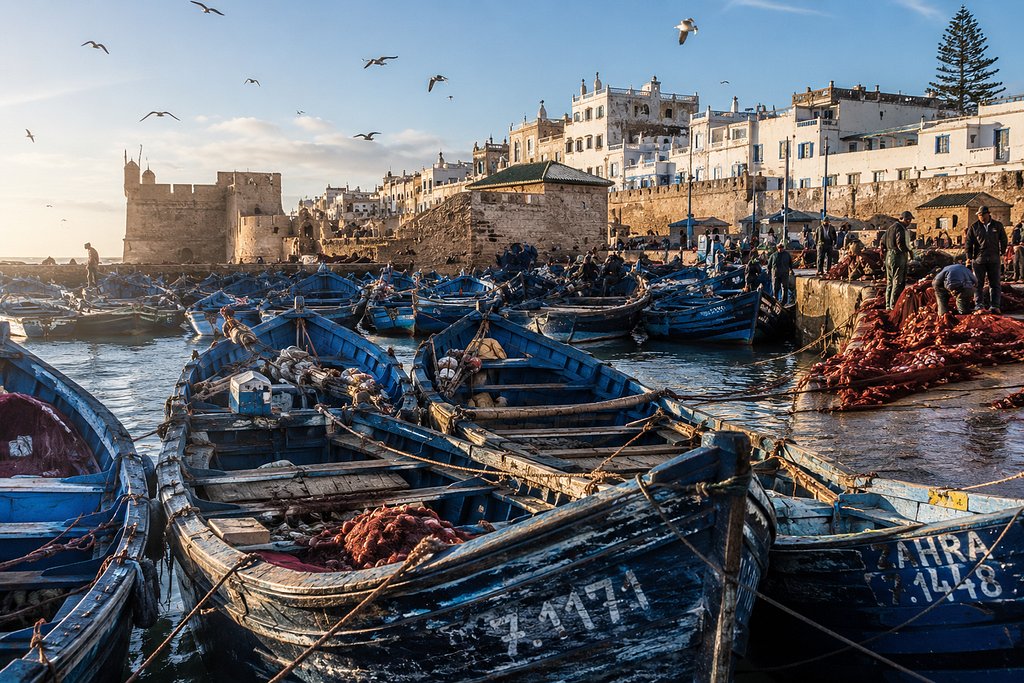
The quiet lanes give way to nets, fishermen, fish sellers and gulls waiting overhead. Blue boats crowd together beneath the stone fortifications while the morning’s catch makes its way from the Atlantic onto the quay.
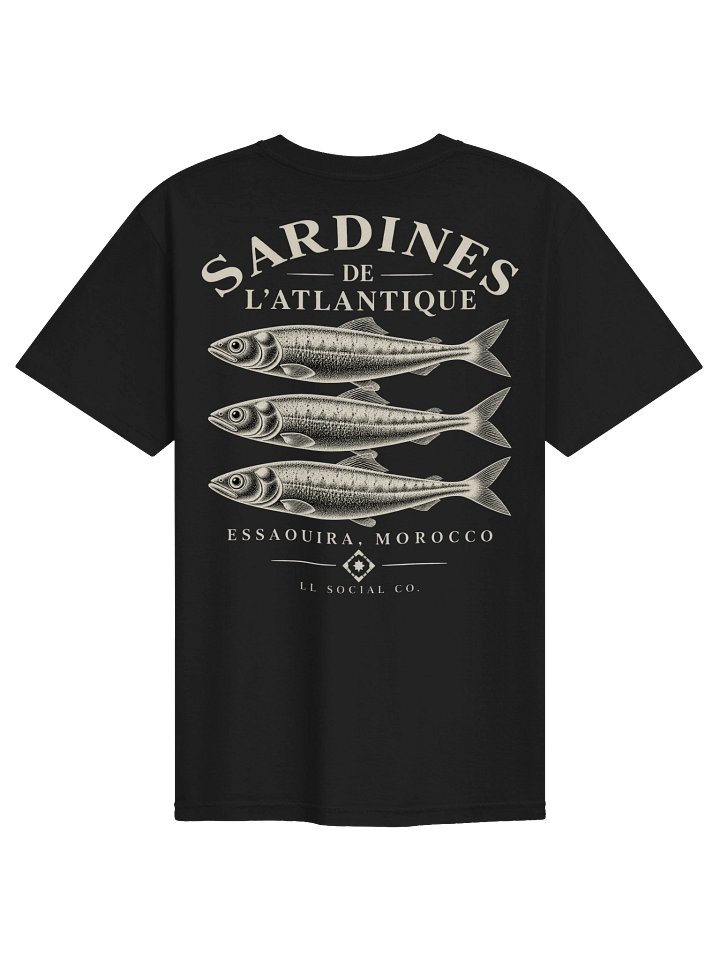
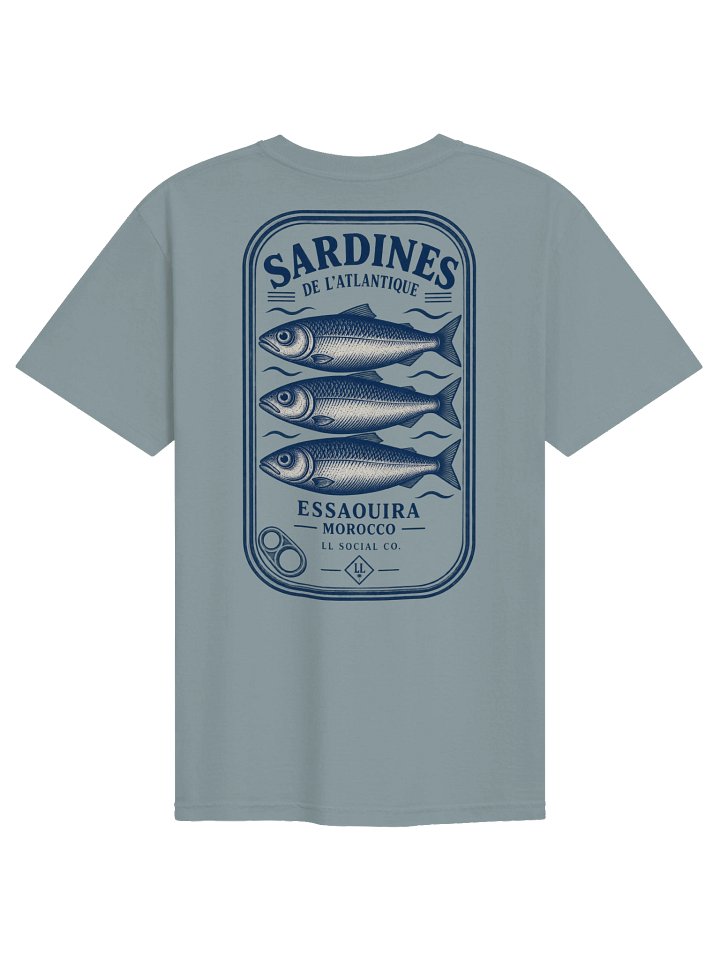
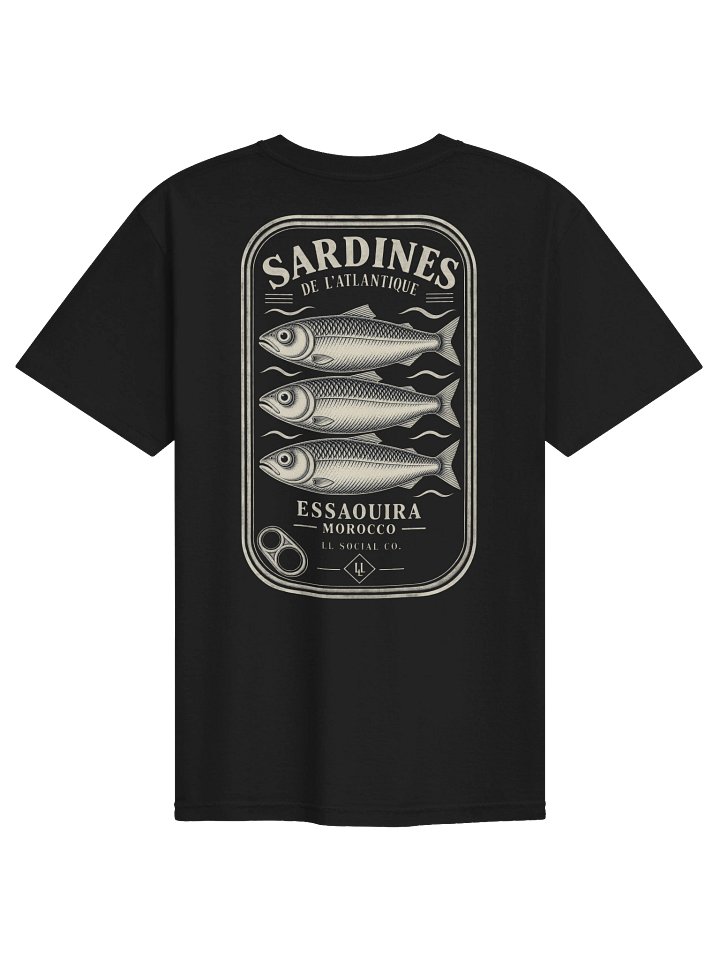
Sardines are part of that rhythm—simple, abundant and inseparable from the working life of Morocco’s Atlantic coast.
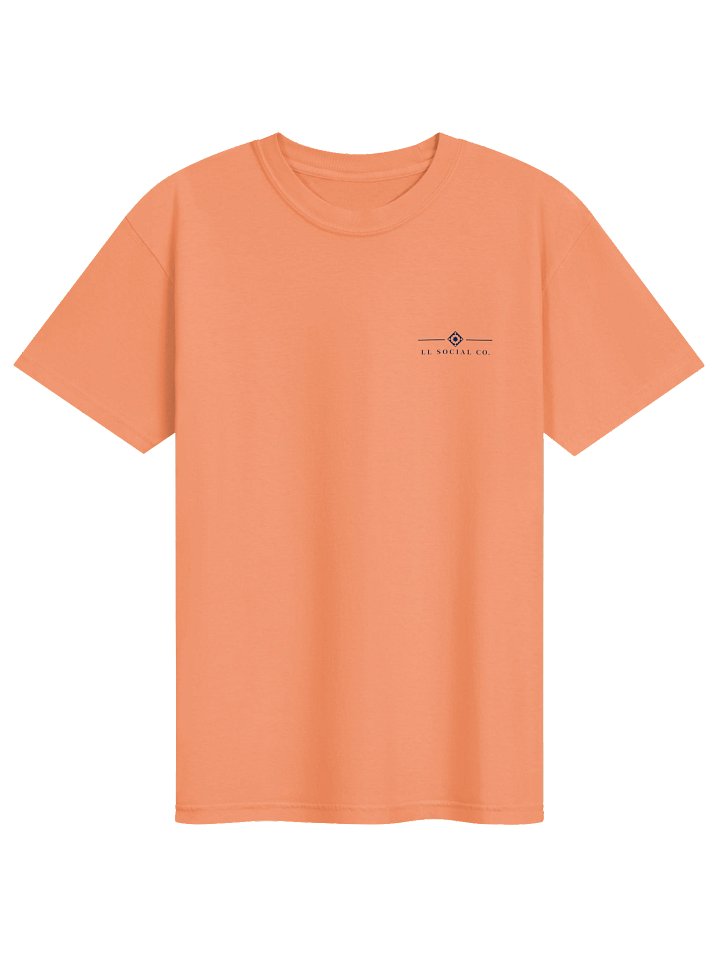
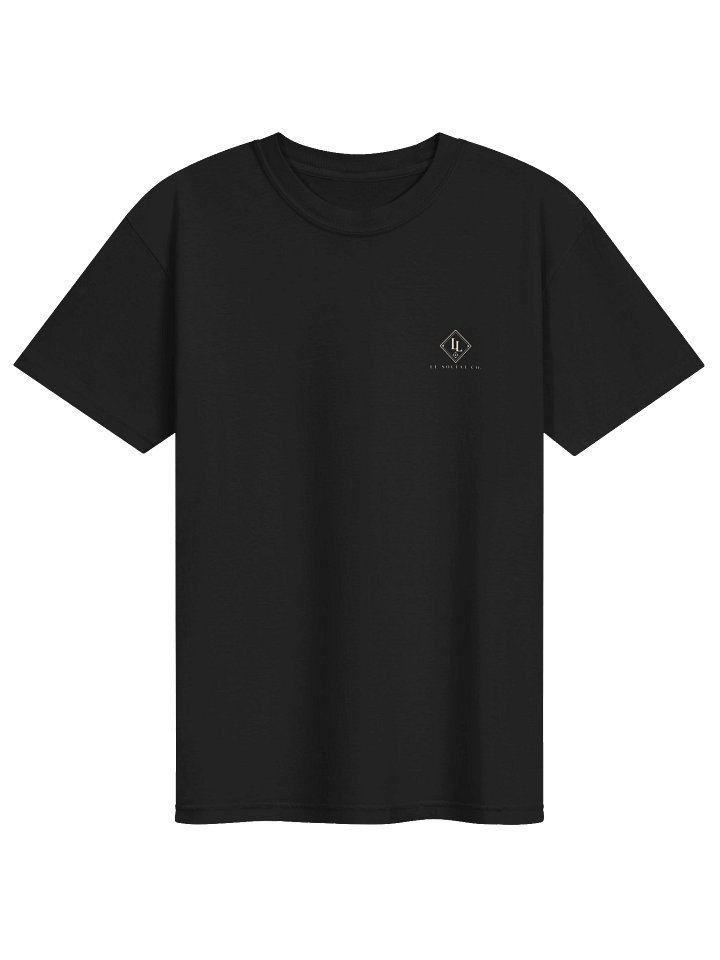
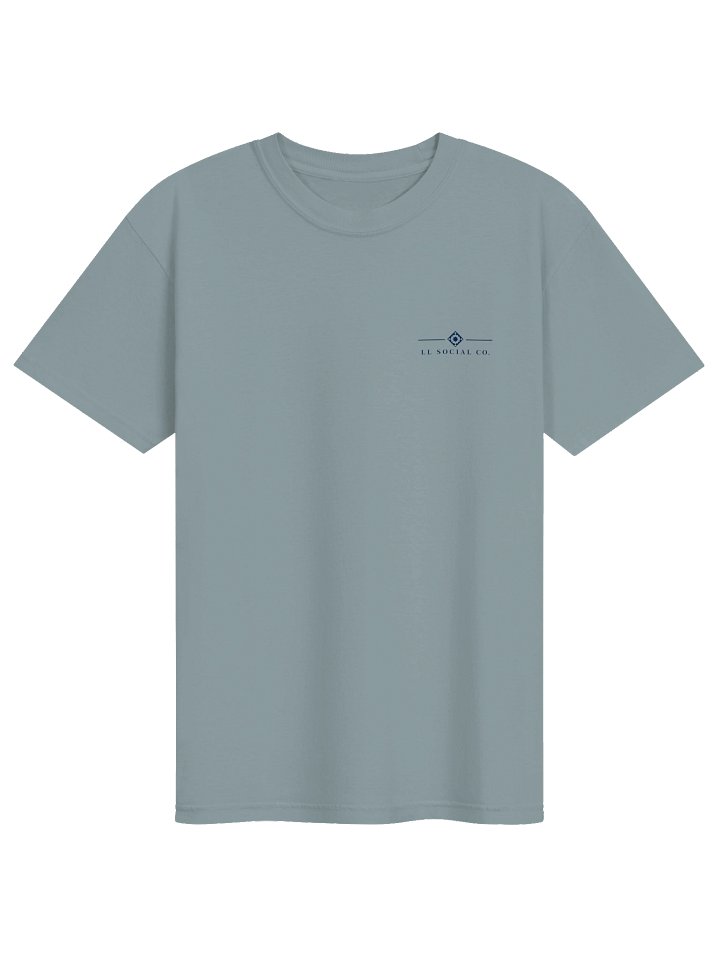
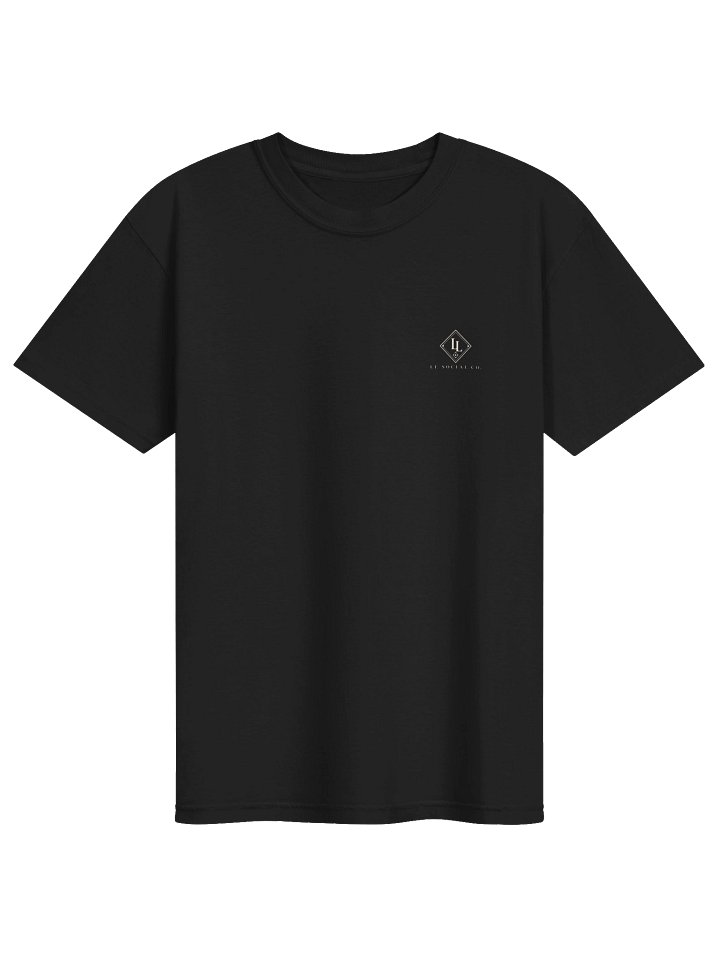
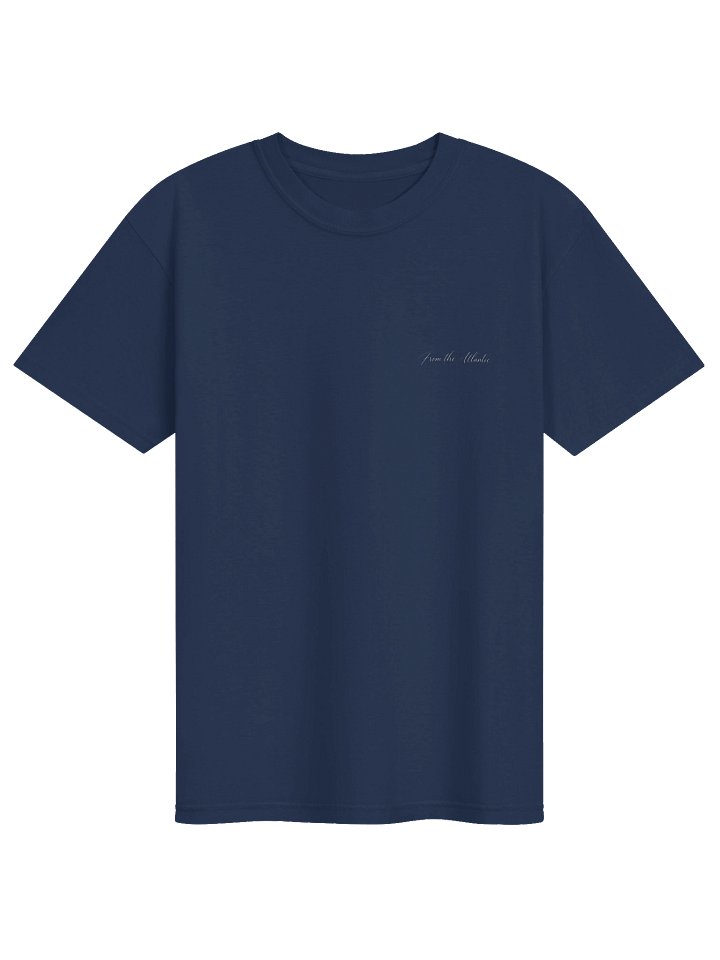
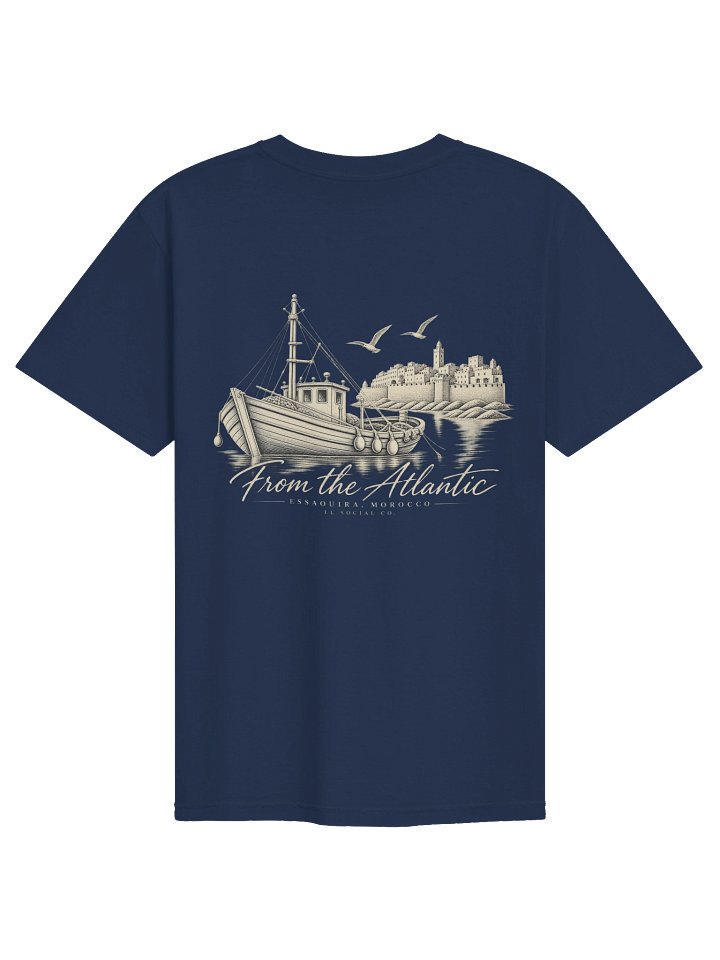
This was the Essaouira that inspired Sardines de l’Atlantique.
Not a decorative version of Morocco. The working one.
A fishing boat with salt on its hull. Sardines pulled from the Atlantic. That particular harbor blue against stone worn by weather and time.
The sea isn’t scenery here. It’s part of the city’s rhythm.
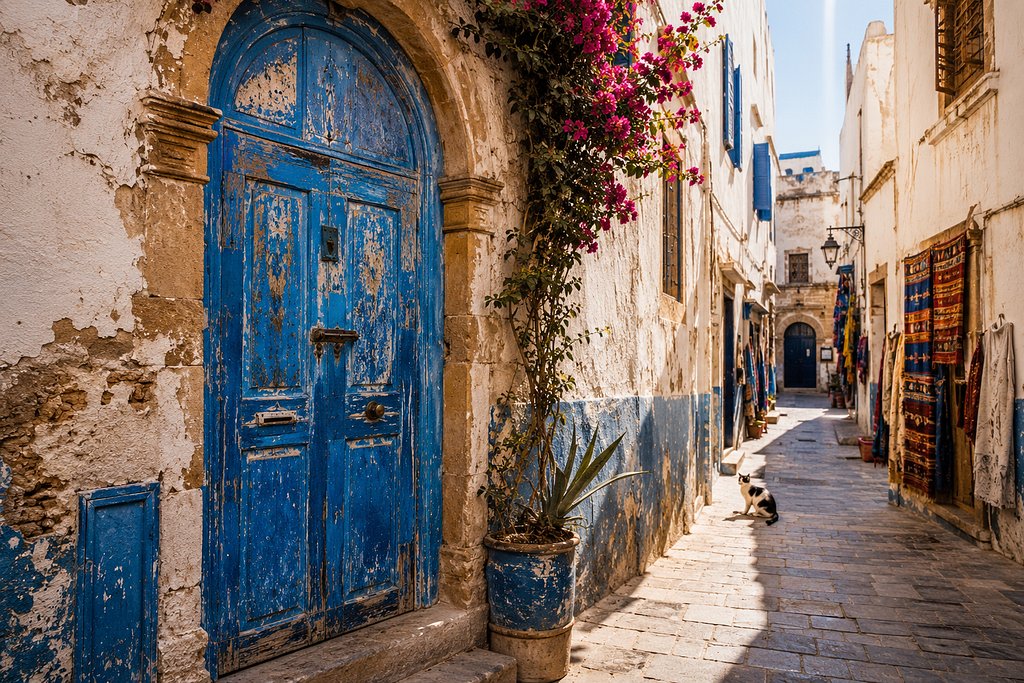
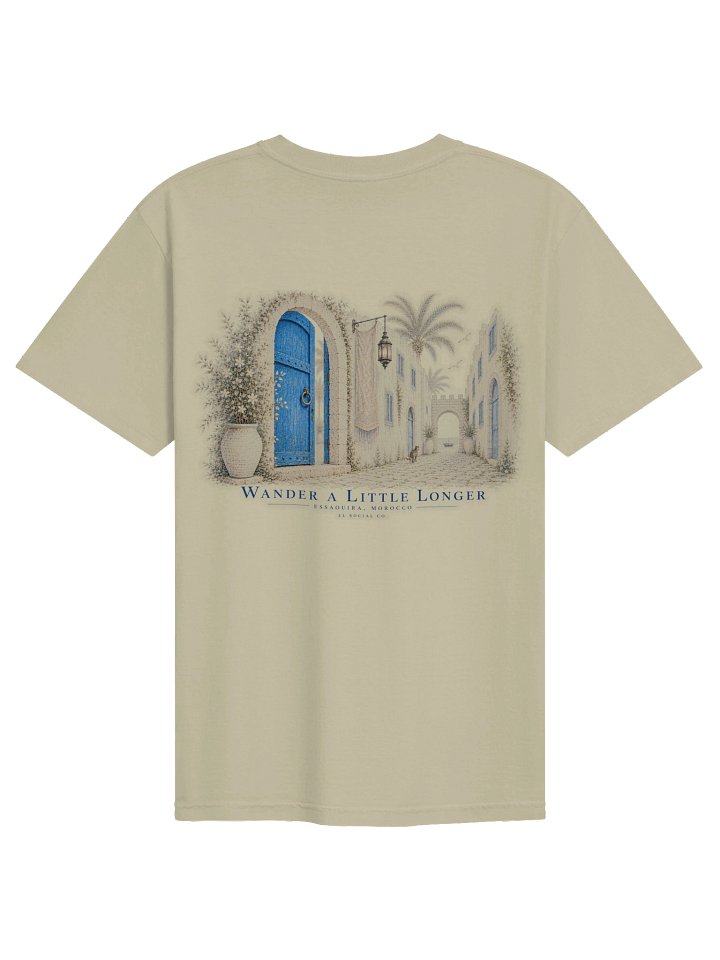
BEHIND THE BLUE DOOR
Step away from the harbor and back through the medina and the palette changes without really changing at all.
White walls. Stone. Worn wood. Blue shutters. Blue doors.
The beauty is in the imperfection: paint faded differently by sun and salt, an old doorway framed by rough plaster, textiles hanging where you didn’t expect them, a lantern, a cat asleep somewhere entirely inconvenient.
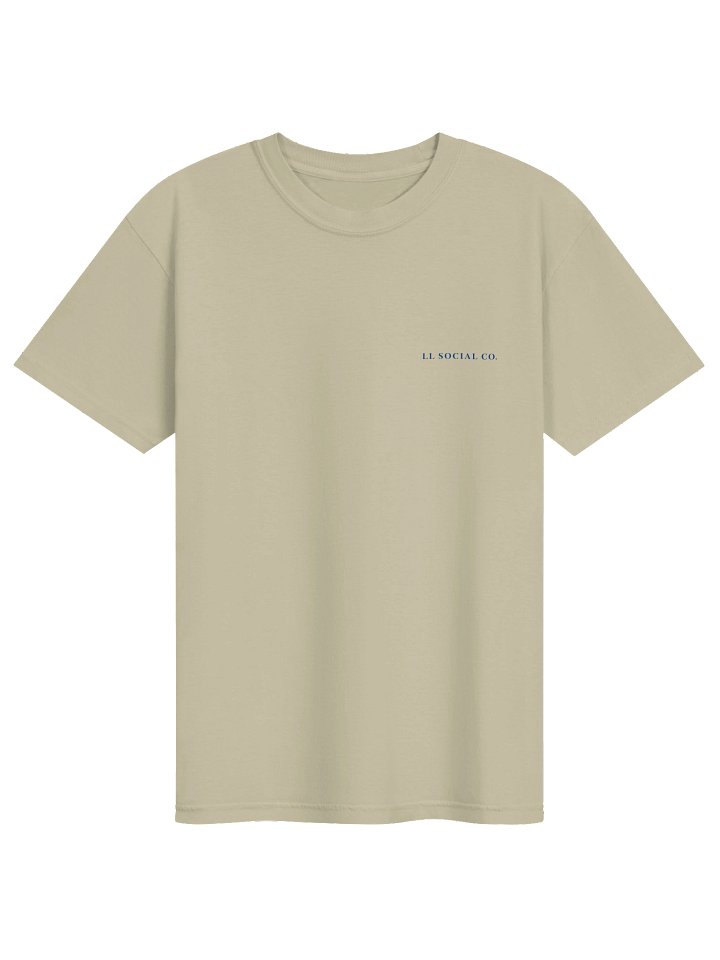
This is where The Blue Door came from.
Not one famous door. The feeling of turning a corner and finding something beautiful that wasn’t waiting to be photographed.
You don’t need a map for this part of Essaouira.
Just enough curiosity to take the next turn.
INSPIRED BY ESSAOUIRA
Atlantic light. Blue doors. Pieces worth bringing home.